How to Choose the Right Heat Transfer Vinyl (HTV) for Your Projects

If you’re in the custom clothing, DIY apparel, or craft supplies world, you’ve probably heard of Heat Transfer Vinyl (HTV). This versatile material allows you to create vibrant designs on T-shirts, bags, hats, and more. But with so many options—PU, Glitter, Reflective, Flock—how do you choose the right one? In this guide, we’ll break down the main types of HTV and give tips to help you pick the best material for your project.
Understanding the Basics of HTV
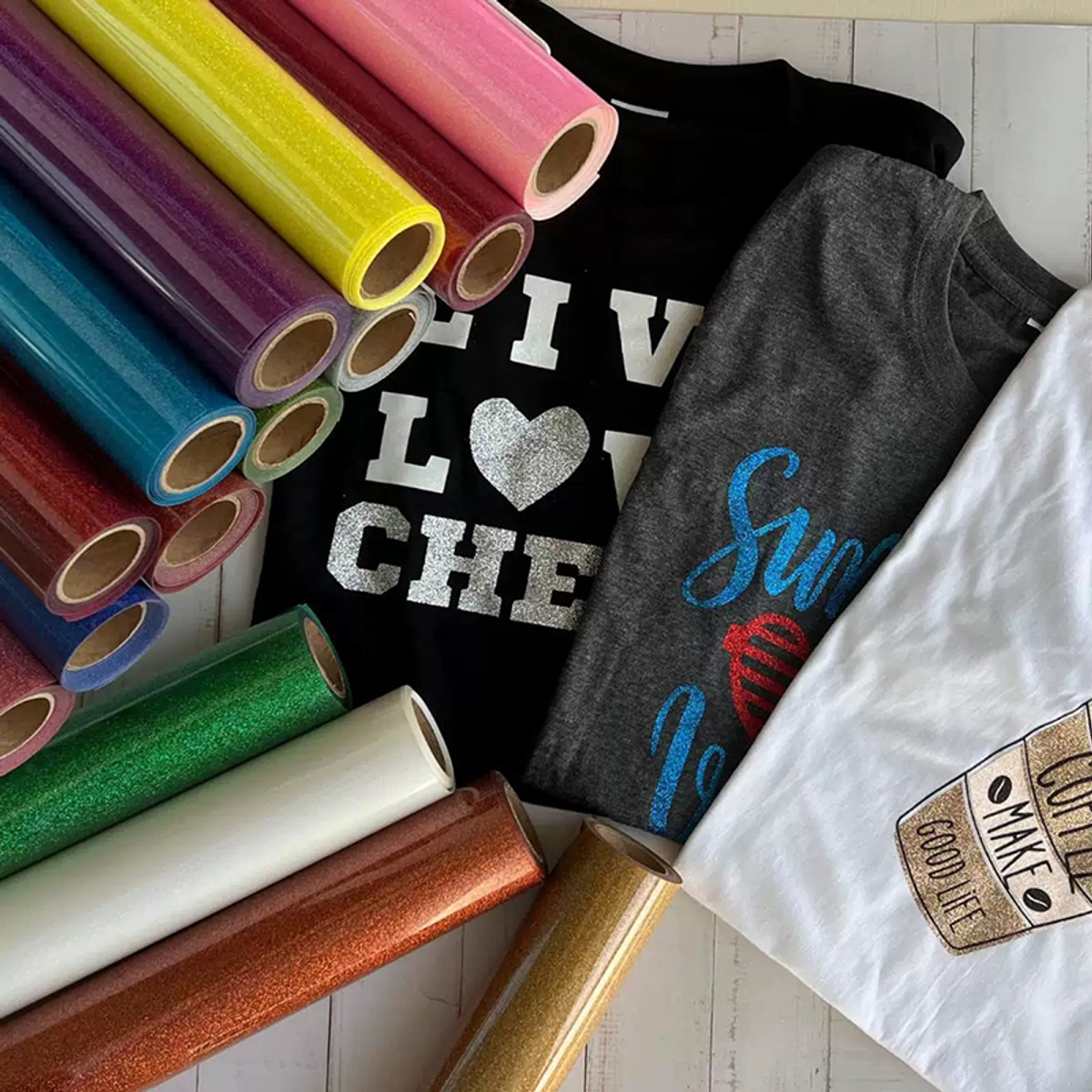
Heat Transfer Vinyl (HTV) is a thin, flexible material with an adhesive backing that activates under heat. It’s widely used to customize apparel, accessories, and promotional items. With a heat press or household iron, you can transfer your designs directly to fabric. For small businesses, start-ups, or hobby crafters, HTV offers an affordable and low-risk way to personalize products.
2. Common Types of Heat Transfer Vinyl
PU HTV (Polyurethane)
This is the most popular and versatile type of HTV. It’s soft, thin, and stretchable—perfect for custom clothing like T-shirts, sportswear, and children’s apparel. PU HTV is ideal when comfort and flexibility are important.
Glitter HTV
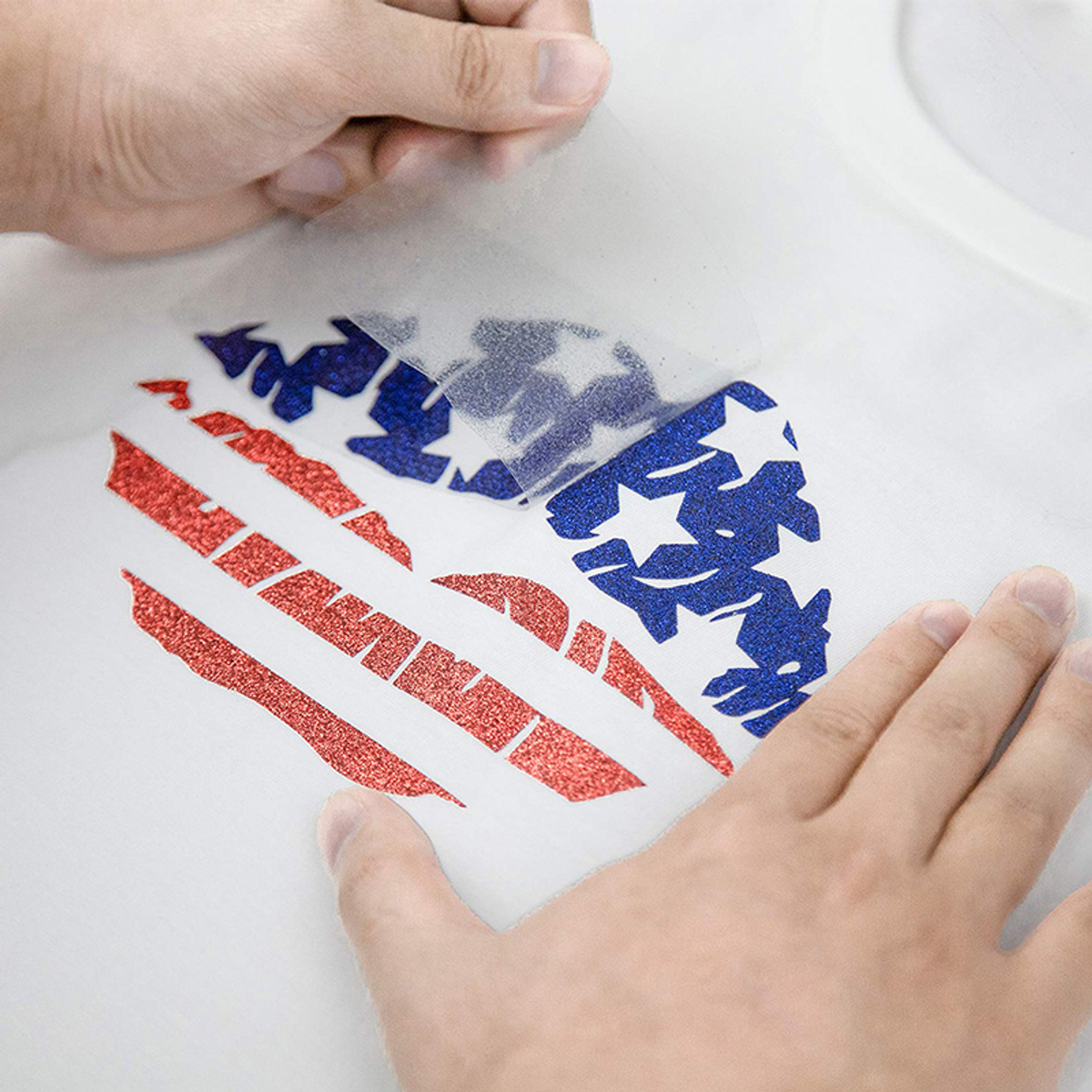
Want your designs to shine? Glitter Heat Transfer Vinyl adds sparkle and dimension to your designs. It’s perfect for dance costumes, promotional items, or fashion apparel where you want eye-catching effects.
Reflective HTV
Great for safety wear, activewear, or night-time apparel, Reflective Heat Transfer Vinyl ensures visibility in low light. Popular with sports clubs, running gear, and work uniforms.
Flock HTV
Flock has a soft, velvety texture that adds depth and a premium feel to designs. It’s perfect for lettering, logos, or where you want a high-end tactile finish.
3. How to Pick the Right HTV for Your Business
When choosing HTV, think about:
Fabric Type: Stretch fabrics like sportswear work best with PU HTV; canvas or cotton can handle thicker textures like Glitter or Flock.
End Use: For safety or sportswear, Reflective HTV is essential. For fashion or promotional pieces, Glitter or Flock can add impact.
Durability: Consider washing frequency and wear. PU and Reflective HTV are often more durable.
Style Goals: Matte, glossy, soft-touch, or sparkling—match your material to your brand identity.
4. Buying Tips for Beginners and Factories
Test Before You Invest: Order sample packs to see how different HTVs behave on your fabrics.
Start Small: Especially if you’re a new business or DIY crafter, start with versatile PU HTV before branching out.
Check Equipment Compatibility: Make sure your cutting machine and heat press settings match the HTV type.
Find Reliable Suppliers: Choose suppliers who offer a wide color range, consistent quality, and technical support.
Final Thoughts
Whether you’re creating DIY apparel at home or producing custom clothing in a small factory, selecting the right Heat Transfer Vinyl can make or break your project. By understanding the different HTV types and their applications, you can confidently choose materials that fit your vision, budget, and customer needs.

Ellen Lin
Product Manager & Heat Transfer Materials Specialist
Ellen Lin is a Product Manager at LorinTransfer, specializing in heat transfer materials, DTF printing solutions, and UV DTF transfer products. With hands-on experience in product development and market research, Ellen works closely with manufacturing teams and printing professionals to improve product performance, application methods, and customer solutions. She shares insights on transfer printing technologies, material selection, and industry trends to help businesses make better decisions for their printing projects.
Related Articles
Gear Up for the Big Season: Premium Flock Patches & Heat-Transfer Letters for Football Kits
Get your team ready for the new season with premium flock patches and custom heat transfer letters. Learn how velvety flock textures deliver professional durability and a classic look for football kits and jerseys.
From DTF Film to Finished Product: A Beginner’s Guide
New to DTF printing? This complete beginner’s guide walks you through the entire process—from choosing the right DTF film to powdering, curing, and heat pressing vibrant custom apparel.
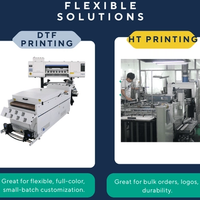
DTF Printing vs. Screen Printing: Which is Better for Your Business?
Deciding between DTF printing and traditional screen printing? Compare setup costs, order volume flexibility, and color vibrantness to find the best printing method for your custom apparel business.